How to Identify a Genuine Tanzanite

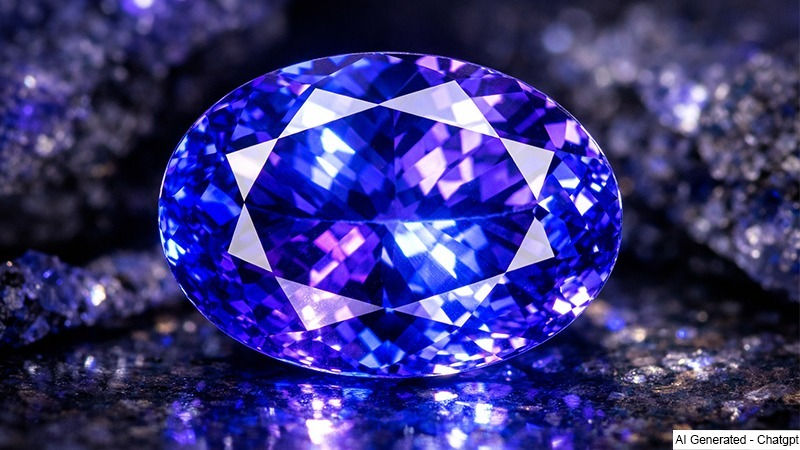
Have you ever looked at a gemstone and thought, “Wow, is this real or just really convincing glass?” 😅 If you’ve had that moment of doubt, you’re not alone—especially when it comes to Tanzanite. This gem is so rare it comes from just one place on Earth (yes, Tanzania!), which makes it both insanely desirable and unfortunately often imitated.
So if you’re scrolling through endless tanzanite gemstones for sale or spotting a tempting tanzanite stone for sale that feels “too good to be true,” pause for a second. Because here’s the truth: spotting a genuine tanzanite isn’t about being a gemstone expert. It’s about knowing a few insider secrets. And that’s exactly what we’re diving into…
Why “Genuine Tanzanite” Really Matters
When we talk about genuine tanzanite, we’re talking about a natural stone mined from Tanzania, not synthetic versions or cheap lookalikes such as colored glass or lab-created imitations. A true tanzanite shows off a one-of-a-kind pleochroism (aka it flashes different colors depending on how the light hits). That’s not something fake stones can copy well.
So yes, real tanzanite is rare, valuable and oh-so-worth it.
Tanzanite Color Check
The easiest way to spot the real deal is by its color story. Genuine tanzanite has a deep blue-violet vibe that changes when you tilt it. Sometimes it flashes purple, sometimes blue, sometimes even a hint of burgundy—this is that magical pleochroism I mentioned earlier.
Pro tip: If the stone looks flat, monotone or “too blue to be true,” there’s a chance it’s not authentic.
Transparency Tells You a Lot
Authentic tanzanite usually comes with some visible inclusions (tiny natural marks inside the stone). While high-quality ones look almost flawless, a totally clear and “perfect” one without any inclusions might actually be synthetic. Real gemstones, like real people, usually have little quirks that make them special.
Weight and Cut Count
A genuine tanzanite feels heavier than glass or fake stones of the same size. Plus, jewelers usually cut real tanzanite in a way that enhances its color and sparkle. If the cut looks too plain or sloppy, that’s a red flag.
Certification is Queen
The best way to know your tanzanite is 100% genuine? Certification. Always buy from a jeweler who provides a trusted certificate from recognized labs such as GIA (Gemological Institute of America), IGI (International Gemological Institute), or AGS (American Gem Society). Some reputed jewelers also work with EGL (European Gemological Laboratory) or Gubelin Gem Lab.
Think of this certificate as your gemstone’s passport—it confirms the stone’s authenticity, details its quality and protects your investment. No matter how stunning a tanzanite looks, without a lab report from a trusted source, it’s like buying designer shoes without the label—you just can’t be sure.

Where to Buy Genuine Tanzanite Without Worry
If you’re wondering where to actually find trustworthy tanzanite gemstones for sale, the answer is simple: stick to reputable jewelers who specialize in gemstones. One solid option? GemsNY.
Their GemsNY Reviews consistently show that customers love their quality and honesty. Plus, they offer exactly the gemstone NYC shoppers trust for both authenticity and style.
Spotting the Fake Tricks
Here’s a quick cheat sheet so you don’t get scammed:
Too perfect = suspicious (no inclusions, uniform color).
Super cheap = big no (remember, tanzanite is rare, so rock-bottom prices usually mean fake).
Plastic or glassy look = fake vibes.
Go For the Real Tanzanites, Always
Identifying a genuine tanzanite doesn’t have to feel overwhelming. Pay attention to its magical color play, check for inclusions, feel the weight and most importantly, buy from jewelers who provide certification. Once you do, you’ll own a stone that’s not just rare—it’s extraordinary.
So next time you browse through a tanzanite stone for sale, you’ll know exactly what’s authentic and what’s not. And trust me, when you finally hold a genuine tanzanite, you’ll feel its energy—it’s like holding a piece of Earth’s hidden magic.


Comments